Blog

  • How Technology Is Making Education More Accessible Worldwide in 2026

    How Technology Is Making Education More Accessible Worldwide in 2026

    Introduction

    Education is no longer confined to classrooms, textbooks, or geographical boundaries. In 2026, technology has revolutionized the way people learn, breaking barriers of distance, cost, and accessibility. From AI-powered learning platforms and virtual classrooms to mobile apps and online degrees, technology has made education more inclusive and available to students across the globe.

    Accessibility in education is not just about reaching more people; it’s about ensuring quality learning opportunities for every learner, regardless of socio-economic background, location, or personal limitations. This article explores how technology is transforming education worldwide, the benefits it provides, the challenges it faces, and its future potential.


    The Role of Technology in Modern Education

    1. Online Learning Platforms

    Platforms like Coursera, edX, Khan Academy, and other AI-driven tools have democratized learning. Students can now access courses from top universities, professional certifications, and skill-based programs without leaving their homes.

    • Flexibility: Learners can study at their own pace.
    • Diversity of Courses: Subjects range from AI, programming, and digital marketing to humanities, arts, and social sciences.
    • Cost-Effective: Many platforms offer free or affordable courses, reducing financial barriers.

    2. Virtual Classrooms and Live Streaming

    Virtual classrooms allow students to attend live lectures from anywhere in the world. Tools like Zoom, Microsoft Teams, and Google Meet have become integral to modern education.

    • Students in remote areas can participate in discussions and interact with teachers.
    • Real-time feedback and Q&A sessions enhance understanding and engagement.
    • Teachers can share multimedia content, simulations, and interactive lessons.

    3. Mobile Learning and Apps

    Smartphones and tablets have become portable classrooms. Educational apps make learning interactive and engaging.

    • Gamified learning apps like Duolingo or Photomath increase motivation.
    • Microlearning apps deliver bite-sized lessons suitable for busy schedules.
    • Offline access allows students in areas with limited internet connectivity to continue learning.

    4. AI and Personalized Learning

    AI-driven tools analyze student performance, learning patterns, and preferences to provide personalized study paths.

    • Adaptive quizzes and tutorials target individual weaknesses.
    • AI tutors provide instant feedback and assistance.
    • Personalized learning ensures students progress at their own pace, improving outcomes.

    5. Virtual Reality (VR) and Augmented Reality (AR)

    Immersive technologies allow experiential learning beyond traditional methods.

    • VR simulations in science, engineering, and medicine provide hands-on experiences without physical labs.
    • AR apps make abstract concepts more understandable, e.g., visualizing the solar system or human anatomy.
    • These tools are especially beneficial for students in resource-limited regions.

    Benefits of Technology-Driven Education Accessibility

    1. Bridging the Geographical Gap

    Students from rural, remote, or underserved areas can access the same high-quality education as those in urban centers. This reduces inequalities caused by location.

    2. Inclusivity for Differently-Abled Students

    Assistive technologies like speech-to-text, screen readers, and AI-driven learning aids make education accessible to students with disabilities.

    3. Cost Reduction

    Digital education reduces expenses for travel, accommodation, and physical resources, making learning more affordable for economically disadvantaged students.

    4. Lifelong Learning Opportunities

    Technology enables continuous learning. Professionals, adult learners, and career changers can acquire new skills or upskill without interrupting their lives.

    5. Global Collaboration

    Online tools allow students to collaborate with peers worldwide, participate in virtual workshops, and gain cross-cultural experiences, enhancing global awareness and networking opportunities.


    Challenges in Making Education Accessible Through Technology

    1. Digital Divide

    Not all students have access to reliable internet, devices, or digital literacy, creating disparities in educational access.

    2. Quality Assurance

    While access is easier, the quality of digital content varies. Students need guidance to choose credible sources and effective programs.

    3. Distraction and Screen Fatigue

    Excessive screen time and multitasking can reduce concentration and impact learning effectiveness.

    4. Limited Social Interaction

    Online learning can reduce opportunities for face-to-face collaboration, peer learning, and social skill development.

    5. Data Privacy and Security

    As students use online platforms, protecting personal information and ensuring safe digital environments are critical concerns.


    Strategies to Enhance Accessibility

    1. Expanding Internet Infrastructure

    Governments and NGOs should invest in reliable internet access in rural and underserved regions to bridge the connectivity gap.

    2. Affordable Devices and Platforms

    Subsidized devices, open-source software, and free educational apps can make digital learning more accessible to low-income families.

    3. Teacher Training in Technology

    Educators must be trained to effectively use digital tools, design interactive lessons, and support students online.

    4. Inclusive Learning Design

    Platforms should accommodate differently-abled students with accessibility features, multi-language support, and adaptable content formats.

    5. Blended Learning Models

    Combining online and offline methods allows students to benefit from technology while maintaining personal interaction and hands-on learning experiences.


    Future Trends in Global Education Accessibility

    1. AI Tutors for Personalized Guidance: AI-powered platforms will provide one-on-one tutoring, making personalized education accessible to every student.
    2. Virtual Global Classrooms: Students from different countries will collaborate in real-time projects, breaking cultural and geographical barriers.
    3. Blockchain Credentials: Secure and verifiable digital certificates and degrees will make online education credible and widely accepted.
    4. EdTech Integration in Public Schools: Governments will integrate technology in classrooms to reach more students.
    5. Mobile-First Learning: Optimized learning apps for smartphones will increase reach in regions where laptops and desktops are less common.

    Conclusion

    In 2026, technology has transformed education into a borderless, inclusive, and flexible experience. Students worldwide can access quality learning resources, connect with experts, and gain skills once limited to traditional classroom settings. AI, VR, mobile apps, and virtual classrooms have not only expanded educational opportunities but also personalized learning for every student, making education more effective and engaging.

    Challenges such as digital divides, quality assurance, and screen fatigue remain, but strategic interventions like infrastructure development, affordable tools, teacher training, and inclusive platform design are bridging these gaps.

    Ultimately, technology in education is not just about access—it’s about equity, quality, and empowerment. By embracing digital learning tools thoughtfully, the world can ensure that every student, regardless of location or circumstance, has the opportunity to learn, grow, and succeed in 2026 and beyond.

  • Mental Health Awareness in Students: A 2026 Perspective

    Mental Health Awareness in Students: A 2026 Perspective

    Introduction

    In 2026, student life has become more complex than ever. Academic pressure, competitive environments, social media influence, and the rapid pace of technological change have created new challenges for mental well-being. While education has advanced with AI, online learning, and digital tools, mental health has emerged as a critical concern that cannot be overlooked.

    Mental health awareness among students is essential to ensure they not only excel academically but also thrive emotionally and socially. Promoting mental well-being is no longer a peripheral concern—it is a fundamental component of holistic education. This article explores the importance of mental health awareness, the challenges students face in 2026, and strategies to support their well-being.


    Understanding Student Mental Health

    Mental health refers to the emotional, psychological, and social well-being of an individual. For students, mental health impacts:

    • Learning and academic performance
    • Emotional regulation and resilience
    • Social interactions and relationships
    • Decision-making and problem-solving

    Common mental health issues among students include anxiety, depression, stress, burnout, and sleep disorders. Recognizing and addressing these issues early can prevent long-term negative consequences.


    Why Mental Health Awareness Is Critical in 2026

    1. Academic Pressure

    Students face increased competition due to globalization, technological advancements, and higher academic standards. Continuous assessments, standardized testing, and the need to excel in multiple subjects can lead to chronic stress and anxiety.

    2. Impact of Social Media

    Social media can amplify comparison, fear of missing out (FOMO), and cyberbullying. Excessive screen time and online interactions often affect self-esteem and contribute to mental strain.

    3. Digital Learning Challenges

    While online learning offers flexibility, it can also cause isolation, lack of peer support, and difficulty maintaining focus. Students must navigate distractions, technology fatigue, and self-directed learning pressures.

    4. Life Skills Gap

    Modern education often emphasizes technical knowledge over emotional intelligence. Students may lack coping strategies, problem-solving skills, and emotional resilience to manage stress effectively.

    5. Societal Awareness

    In 2026, mental health is increasingly recognized as integral to overall well-being. Ignoring it can affect not only academic performance but also long-term personal and professional success.


    Common Mental Health Issues in Students

    1. Anxiety and Stress: Triggered by exams, deadlines, peer pressure, and uncertain futures.
    2. Depression: Linked to social isolation, academic struggles, or personal issues.
    3. Burnout: Resulting from prolonged stress without adequate rest or support.
    4. Sleep Disorders: Poor sleep impacts concentration, memory, and emotional balance.
    5. Social Pressure and Peer Comparisons: Intensified by social media exposure.

    Early recognition and proactive management are crucial to prevent escalation.


    Strategies for Promoting Mental Health Awareness

    1. Educate Students About Mental Health

    • Introduce mental health topics in the curriculum.
    • Encourage open discussions about emotions, stress, and coping mechanisms.
    • Teach students to identify signs of stress, anxiety, or depression in themselves and peers.

    Awareness reduces stigma and empowers students to seek help when needed.

    2. Foster a Supportive Environment

    • Create safe spaces for sharing concerns, both online and offline.
    • Encourage peer support groups and mentorship programs.
    • Train educators to recognize signs of mental distress and provide guidance.

    A supportive environment ensures students feel heard and valued.

    3. Incorporate Mindfulness and Stress-Relief Practices

    • Encourage mindfulness exercises, meditation, and breathing techniques.
    • Promote regular physical activity, yoga, and relaxation routines.
    • Provide access to apps or platforms that offer guided mental wellness practices.

    Mindfulness enhances focus, emotional regulation, and resilience.

    4. Limit Digital Overload

    • Set boundaries for screen time during study and leisure.
    • Encourage breaks from social media and online platforms.
    • Balance digital learning with offline activities, hobbies, and social interactions.

    Reducing digital stress improves attention, mood, and overall well-being.

    5. Provide Access to Counseling and Mental Health Services

    • Schools and universities should offer counseling, therapy sessions, and online mental health support.
    • Encourage students to use hotlines, chat services, or AI-driven mental health apps for guidance.
    • Ensure confidentiality and create a culture of trust for seeking help.

    Professional support helps students navigate challenges effectively.

    6. Encourage Balanced Lifestyles

    • Promote proper sleep, nutrition, and physical activity.
    • Balance academics, extracurricular activities, and leisure time.
    • Teach time management and prioritization skills to prevent burnout.

    A balanced lifestyle underpins both physical and mental health.

    7. Engage Parents and Guardians

    • Educate parents about digital pressures, mental health signs, and supportive strategies.
    • Encourage open communication at home about emotions, struggles, and coping mechanisms.
    • Promote collaborative problem-solving between parents, educators, and students.

    Family support plays a critical role in emotional resilience.


    Role of Technology in Mental Health Awareness

    Technology in 2026 can both challenge and support student mental health.

    Positive Uses:

    • AI-Powered Monitoring: Apps that track stress, mood, and sleep patterns.
    • Virtual Counseling: Online therapy and support sessions accessible anytime.
    • Gamified Wellness Platforms: Engage students in mindfulness, relaxation, and emotional intelligence exercises.
    • Digital Communities: Safe online forums for peer support and shared experiences.

    Challenges:

    • Overexposure to social media and digital distractions can exacerbate anxiety.
    • Constant notifications and virtual learning pressures may affect focus and emotional well-being.

    Parents, educators, and students must learn to balance technology use for mental health benefits.


    Preparing Students for Emotional Resilience

    1. Teach Coping Strategies: Stress management, problem-solving, and emotional regulation.
    2. Encourage Reflection: Journaling, self-assessment, and mindfulness practices.
    3. Promote Growth Mindset: Emphasize learning from failures and adapting to challenges.
    4. Develop Social Skills: Teamwork, empathy, and communication to enhance peer support.
    5. Provide Real-Life Scenarios: Encourage students to apply emotional skills to everyday situations.

    Emotional resilience equips students to handle academic and personal challenges confidently.


    Future Trends in Student Mental Health Awareness

    • AI-Powered Personal Coaches: Personalized emotional and stress management guidance.
    • Virtual Reality Therapy: Immersive stress-relief, mindfulness, and relaxation experiences.
    • Integrated School Programs: Curriculum-wide mental health modules embedded in daily learning.
    • Collaborative Digital Platforms: Students, parents, and educators working together to monitor and support mental well-being.
    • Global Awareness Campaigns: Promoting mental health as a universal priority, reducing stigma worldwide.

    These trends aim to make mental health an integrated part of education rather than an afterthought.


    Conclusion

    In 2026, mental health awareness among students is more important than ever. With increased academic pressure, digital distractions, and social challenges, students require proactive support to maintain emotional, social, and psychological well-being.

    Parents, educators, and policymakers must work together to:

    • Promote open discussions about mental health
    • Provide professional support and resources
    • Encourage balanced, mindful, and resilient lifestyles
    • Leverage technology positively for monitoring and guidance

    By fostering a culture of awareness, empathy, and support, students can thrive not just academically but emotionally and socially. Mental health is no longer a peripheral concern—it is central to student success and overall development.

    In 2026, empowering students with mental health awareness ensures they become resilient, balanced, and confident individuals ready to face the challenges of a rapidly evolving world.

  • STEM Education: Why It Is More Important Than Ever in 2026

    STEM Education: Why It Is More Important Than Ever in 2026

    Introduction

    In 2026, the world is more technologically driven than ever before. From artificial intelligence and robotics to renewable energy and space exploration, science, technology, engineering, and mathematics (STEM) skills have become critical for personal success, economic growth, and societal development. STEM education equips students with the knowledge, problem-solving abilities, and innovation mindset required to thrive in a rapidly changing world.

    While traditional education has emphasized reading, writing, and history, STEM education is now taking center stage. Its importance goes beyond producing engineers or scientists; it fosters critical thinking, creativity, and adaptability—skills essential for the 21st-century workforce. This article explores why STEM education is more important than ever in 2026, its benefits, challenges, and strategies to enhance its impact.


    What is STEM Education?

    STEM education integrates four key disciplines:

    • Science: Understanding natural phenomena, conducting experiments, and developing hypotheses.
    • Technology: Using digital tools, programming, and leveraging AI to solve real-world problems.
    • Engineering: Designing, building, and testing solutions for practical challenges.
    • Mathematics: Applying quantitative reasoning and problem-solving skills to various domains.

    STEM education emphasizes hands-on learning, critical thinking, and problem-solving, often through project-based or experiential approaches. In 2026, it also integrates emerging fields like biotechnology, data science, cybersecurity, and space technology.


    Why STEM Education Is Crucial in 2026

    1. Meeting Workforce Demands

    The global job market increasingly favors STEM skills. Roles in AI, robotics, data analytics, renewable energy, and software development are growing exponentially. According to recent industry reports, STEM-related occupations are projected to grow faster than non-STEM jobs, creating immense career opportunities for students.

    2. Encouraging Innovation and Creativity

    STEM education encourages students to think critically, experiment, and innovate. From developing apps and designing robots to creating sustainable energy solutions, STEM cultivates a mindset that embraces challenges and generates creative solutions.

    3. Addressing Global Challenges

    The world faces pressing issues like climate change, pandemics, cybersecurity threats, and sustainable energy needs. STEM skills equip students to contribute to solutions that impact global well-being and drive scientific and technological progress.

    4. Enhancing Problem-Solving Abilities

    STEM education teaches students to analyze data, evaluate options, and develop logical solutions. These problem-solving skills are applicable not only in scientific fields but also in business, healthcare, and everyday life.

    5. Fostering Digital Literacy

    In 2026, digital literacy is a fundamental requirement. STEM education introduces students to programming, AI tools, virtual simulations, and data management, ensuring they are comfortable navigating the modern digital landscape.

    6. Bridging the Gender Gap in Technology

    STEM education initiatives now focus on inclusivity, encouraging girls and underrepresented groups to pursue technology and science careers. Promoting diversity in STEM ensures broader perspectives and more equitable innovation.


    Benefits of STEM Education for Students

    1. Career Readiness: Students gain practical skills and experience relevant to high-demand industries.
    2. Analytical Thinking: STEM strengthens logical reasoning, critical analysis, and data-driven decision-making.
    3. Collaboration Skills: Group projects and experiments teach teamwork, communication, and leadership.
    4. Adaptability: Exposure to new technologies and concepts prepares students to adapt to future disruptions.
    5. Confidence: Solving real-world problems builds self-esteem and a sense of achievement.

    Challenges in STEM Education

    Despite its benefits, STEM education faces challenges:

    1. Limited Access

    Not all schools have resources, labs, or trained teachers to provide quality STEM education. This can create disparities in opportunities for students in underprivileged regions.

    2. Curriculum Gaps

    Traditional curricula may lag behind technological advancements, leaving students unprepared for emerging industries.

    3. Engagement Issues

    Some students may find STEM subjects difficult or intimidating, leading to lower participation, especially in mathematics and physics.

    4. Gender and Diversity Disparities

    Historically, STEM fields have been male-dominated. Inclusive programs are necessary to encourage participation from girls and underrepresented groups.

    5. Rapid Technological Change

    The fast pace of innovation requires continual updating of educational tools, curricula, and teacher training. Schools must keep pace to remain relevant.


    Strategies to Enhance STEM Education

    1. Early Exposure

    Introducing STEM concepts in primary and middle school sparks curiosity and builds foundational skills. Activities like coding games, science experiments, and math challenges make learning engaging.

    2. Project-Based Learning

    Hands-on projects, experiments, and problem-solving activities make STEM learning practical and enjoyable. Students develop real-world skills while applying theoretical knowledge.

    3. Integration of Technology

    Using AI tutors, VR labs, online simulations, and educational apps enhances understanding and provides interactive learning experiences.

    4. Mentorship and Role Models

    Connecting students with STEM professionals through virtual mentorship programs inspires and guides them in choosing careers in STEM fields.

    5. Inclusive Education Programs

    Encouraging girls, minorities, and underrepresented groups to participate in STEM through scholarships, clubs, and targeted initiatives promotes diversity and innovation.

    6. Industry Partnerships

    Collaboration with tech companies, research institutions, and startups provides internships, workshops, and exposure to real-world applications, bridging the gap between classroom learning and industry demands.

    7. Gamification and Competitions

    STEM competitions, hackathons, coding challenges, and science fairs foster motivation, creativity, and problem-solving in an engaging, game-like environment.


    STEM Education Trends in 2026

    1. AI-Powered Learning: Personalized recommendations and adaptive learning tools help students learn at their own pace.
    2. Virtual and Augmented Reality Labs: Immersive simulations allow students to experiment safely and efficiently.
    3. Robotics and Automation: Hands-on training with robots and automation technologies prepares students for future careers.
    4. Data Science Integration: Teaching students to analyze and interpret data is central to STEM curricula.
    5. Sustainability-Focused Projects: Renewable energy, climate science, and environmental engineering projects prepare students to solve global challenges.
    6. Global Collaboration: Students work on international projects, developing cross-cultural communication and teamwork skills.

    Conclusion

    In 2026, STEM education is not optional—it is essential. It empowers students with the skills, mindset, and knowledge required to navigate a rapidly changing, technology-driven world. STEM fosters critical thinking, creativity, problem-solving, and innovation, equipping students to tackle global challenges, succeed in competitive industries, and contribute meaningfully to society.

    While challenges such as limited access, engagement issues, and diversity gaps exist, innovative strategies like early exposure, project-based learning, technology integration, mentorship, and inclusive programs are transforming STEM education for the better.

    Ultimately, investing in STEM education today prepares students not only for careers in high-demand fields but also for lifelong learning, adaptability, and leadership in a world shaped by science and technology. In 2026, STEM education is more important than ever, shaping future innovators, thinkers, and problem-solvers who will drive progress and change across the globe.

  • How Parents Can Support Children in the Digital Learning Era (2026 Guide)

    How Parents Can Support Children in the Digital Learning Era (2026 Guide)

    Introduction

    The year 2026 marks a turning point in education. With digital learning, AI-powered tools, online courses, and virtual classrooms becoming the norm, children are no longer limited to traditional textbooks and classroom settings. While this shift offers incredible opportunities for personalized learning and skill development, it also presents challenges. Children may face distractions, screen fatigue, information overload, or difficulties in self-regulation.

    In this digital learning era, parents play a crucial role. They are not just facilitators but also mentors, motivators, and guides who can help children navigate online learning effectively. This article explores practical ways parents can support their children, ensuring they thrive academically, socially, and emotionally in 2026.


    Understanding the Digital Learning Landscape

    Before supporting children, parents need to understand the tools and platforms shaping modern education:

    • AI-Powered Learning Platforms: Offer personalized content and adaptive learning paths based on student performance.
    • Virtual Classrooms and Online Schools: Enable live lessons, group activities, and collaboration with peers globally.
    • Gamified Learning Apps: Make education engaging through challenges, points, badges, and leaderboards.
    • Educational YouTube Channels and Podcasts: Provide bite-sized tutorials, interactive lessons, and supplementary resources.
    • Learning Management Systems (LMS): Central hubs for assignments, progress tracking, and feedback.

    Understanding these technologies helps parents guide children without micromanaging, while also enabling informed decisions about screen time, learning resources, and online safety.


    Benefits of Digital Learning for Children

    1. Personalized Learning: Adaptive platforms tailor lessons to a child’s strengths and weaknesses, accelerating understanding.
    2. Flexibility: Children can learn at their own pace, revisit difficult concepts, and explore subjects beyond the curriculum.
    3. Interactive Engagement: Videos, quizzes, simulations, and games increase retention and engagement.
    4. Skill Development: Children gain digital literacy, problem-solving, critical thinking, and research skills early.
    5. Global Exposure: Online collaboration with peers worldwide helps develop cultural awareness and communication skills.

    These benefits, however, are maximized only when parents actively support and guide children through the digital learning journey.


    Challenges Children Face in Digital Learning

    • Distractions and Overuse of Devices: Social media, gaming, or unrelated apps can interfere with studies.
    • Screen Fatigue and Eye Strain: Long hours in front of screens can affect health and focus.
    • Information Overload: Children may struggle to identify credible sources and retain information effectively.
    • Reduced Social Interaction: Lack of in-person engagement can affect communication and teamwork skills.
    • Self-Discipline Issues: Online learning requires time management and self-motivation, which can be difficult for younger learners.

    Parents’ guidance is critical to overcome these challenges and create a balanced digital learning experience.


    How Parents Can Support Children

    1. Create a Structured Learning Environment

    • Designate a quiet, comfortable study space free from distractions.
    • Establish consistent daily routines for online classes, homework, and breaks.
    • Encourage organization of digital files, folders, and notes.

    A structured environment helps children focus and develop discipline while separating study time from leisure time.


    2. Set Clear Goals and Expectations

    • Discuss academic goals with children, including subjects to focus on and skills to improve.
    • Use measurable milestones, such as completing assignments on time or achieving quiz scores.
    • Celebrate achievements to reinforce motivation.

    Goal-setting provides clarity, direction, and a sense of accomplishment.


    3. Monitor Screen Time Without Micromanaging

    • Balance educational screen time with recreational or offline activities.
    • Encourage short study sessions with breaks to prevent fatigue.
    • Use parental control tools only as guides, not punishments.

    The key is moderation—children should learn to self-regulate rather than rely solely on restrictions.


    4. Encourage Active Learning

    • Motivate children to take notes, ask questions, and participate in discussions.
    • Encourage application of concepts through projects, experiments, or real-world tasks.
    • Use gamified learning platforms and quizzes to make lessons interactive and enjoyable.

    Active learning enhances comprehension, critical thinking, and retention.


    5. Foster Digital Literacy and Critical Thinking

    • Teach children to evaluate online sources for credibility.
    • Discuss misinformation, fake news, and bias in digital content.
    • Encourage ethical online behavior, respect for intellectual property, and safe communication.

    Developing digital literacy early ensures children navigate online resources safely and responsibly.


    6. Provide Emotional Support

    • Acknowledge challenges and frustrations with online learning.
    • Offer guidance, reassurance, and constructive feedback instead of criticism.
    • Encourage social interactions through group projects, virtual study groups, or extracurricular activities.

    Emotional support boosts confidence, reduces anxiety, and motivates children to overcome obstacles.


    7. Collaborate With Educators

    • Maintain open communication with teachers to understand the child’s progress and challenges.
    • Attend virtual parent-teacher meetings and webinars on digital learning strategies.
    • Ask for suggestions on tools, platforms, and resources that complement classroom instruction.

    Collaboration ensures a consistent approach to learning and reinforces skills taught in class.


    8. Encourage Physical Activity and Offline Hobbies

    • Balance online learning with exercise, sports, and outdoor play to maintain physical and mental health.
    • Encourage hobbies like reading, art, music, or gardening to reduce screen dependency.

    Healthy routines support holistic development and prevent burnout.


    9. Model Positive Digital Behavior

    • Demonstrate responsible use of devices and online resources.
    • Limit unnecessary screen time during family interactions.
    • Show curiosity and engagement in learning, setting an example for children.

    Children often mirror parents’ habits, so positive modeling is powerful.


    10. Leverage AI and Digital Tools Effectively

    • Introduce AI tutors or learning platforms that provide personalized guidance.
    • Use apps for practice quizzes, flashcards, and progress tracking.
    • Encourage children to explore online resources beyond the curriculum to spark curiosity and creativity.

    Properly used technology enhances learning efficiency and makes digital education more meaningful.


    Future Trends in Parental Support for Digital Learning

    1. AI-Based Learning Analytics: Parents can receive insights on their child’s learning patterns, strengths, and weaknesses to provide targeted support.
    2. Gamified Family Learning: Platforms may include collaborative games and learning challenges that involve parents and children together.
    3. Virtual Parent Communities: Online forums and groups help parents share strategies, resources, and experiences for supporting digital learners.
    4. Hybrid Support Models: Schools may offer blended learning solutions with guided parental involvement to improve outcomes.
    5. Focus on Social-Emotional Skills: Digital learning platforms will include tools for monitoring well-being, motivation, and mental health, allowing parents to proactively support children.

    Conclusion

    Supporting children in the digital learning era of 2026 requires awareness, structure, and active engagement. Parents are more than overseers; they are mentors, role models, and partners in the learning process.

    By creating structured routines, fostering active learning, promoting digital literacy, and balancing online and offline activities, parents can ensure their children thrive academically and emotionally. Collaboration with educators, positive modeling, and careful use of AI-driven tools further enhances learning outcomes.

    The digital learning environment offers unprecedented opportunities, but without parental guidance, children may struggle to stay focused, motivated, and balanced. With thoughtful support, parents can help children leverage technology to develop skills, confidence, and lifelong learning habits, preparing them for success in an increasingly digital and interconnected world.

    In 2026, parenting in the digital age is not just about managing screen time—it’s about empowering children to learn smarter, think critically, and grow holistically.

  • Future of Online Degrees: Are They Worth It in 2026?

    Future of Online Degrees: Are They Worth It in 2026?

    Introduction

    The landscape of higher education is evolving rapidly. In 2026, online degrees have moved from being a niche alternative to a mainstream pathway for students worldwide. Advancements in technology, the rise of AI-driven learning platforms, and the increasing demand for flexible education options have made online degrees more accessible and credible than ever.

    However, students and parents often ask: Are online degrees really worth it? With the growing number of virtual universities, hybrid programs, and micro-credential certifications, it is important to assess the value, benefits, and limitations of pursuing an online degree in 2026.

    This article explores the future of online degrees, their relevance in modern education, and whether they offer a worthwhile investment for students.


    Why Online Degrees Are Gaining Popularity

    1. Flexibility and Convenience

    Online degrees allow students to study from anywhere in the world, eliminating geographical and commuting constraints. Students can balance education with work, family commitments, or personal projects, making higher education more accessible.

    2. Affordability

    Traditional on-campus education often involves tuition fees, accommodation, transportation, and living expenses. Online degrees typically reduce or eliminate many of these costs, making higher education more financially feasible for a broader audience.

    3. Personalized Learning Experience

    Modern online programs leverage AI to provide adaptive learning paths. Students can focus on areas they struggle with, skip topics they already know, and receive instant feedback—making learning more efficient and tailored to individual needs.

    4. Diverse Program Offerings

    In 2026, students can pursue a wide range of online degrees—from traditional fields like business, engineering, and computer science to emerging areas like AI, data science, digital marketing, and cybersecurity.

    5. Recognition and Accreditation

    Many online programs are now offered by globally recognized universities, providing degrees that are as valid and respected as traditional on-campus credentials. Accreditation ensures quality, credibility, and acceptance in the job market.


    Benefits of Online Degrees in 2026

    1. Career Advancement

    Online degrees allow professionals to upskill or reskill without taking a career break. Students can gain industry-relevant knowledge and certifications, enhancing employability and career growth.

    2. Global Networking Opportunities

    Many online programs connect students from around the world. Collaborative projects, discussion forums, and virtual events allow learners to build professional networks and gain exposure to diverse perspectives.

    3. Integration of Technology

    Online education uses advanced tools like virtual labs, interactive simulations, AI tutors, and VR classrooms. These technologies make learning more engaging, practical, and aligned with modern workplace skills.

    4. Skill-Based Learning

    Unlike some traditional degrees, online programs often emphasize practical skills and applied knowledge. Students graduate with both theoretical understanding and hands-on experience, making them more job-ready.

    5. Self-Paced Learning

    Self-paced online programs allow students to manage their study schedules, learning speed, and workload according to their personal needs. This flexibility accommodates diverse learning styles and lifestyles.


    Challenges of Online Degrees

    While online degrees offer significant advantages, they also come with challenges that students should consider:

    1. Lack of In-Person Interaction

    Online learning can feel isolating. Students may miss out on campus life, face-to-face mentorship, and spontaneous peer discussions. Networking and social skills development require extra effort.

    2. Discipline and Self-Motivation

    Online learning demands high self-discipline. Without the structure of a traditional classroom, some students struggle with time management, procrastination, and staying engaged.

    3. Variable Recognition in Some Industries

    Although acceptance is growing, some employers in certain sectors may still prefer traditional degrees or value hands-on experience over online credentials. Researching industry perception is crucial.

    4. Technical Requirements

    Access to high-speed internet, a reliable computer, and digital literacy are essential for success. Technical challenges can hinder learning for students with limited resources.

    5. Limited Extracurricular Exposure

    Traditional campuses offer clubs, sports, cultural activities, and leadership opportunities. Online students may need to seek alternative ways to develop soft skills and practical experience.


    Are Online Degrees Worth It in 2026?

    The value of an online degree depends on several factors:

    1. Accreditation and Reputation

    Degrees from accredited universities with a strong reputation carry more weight in the job market. Employers prioritize recognized credentials that ensure quality education.

    2. Industry Alignment

    Programs aligned with industry demand and emerging trends—like AI, data science, digital marketing, or cybersecurity—offer better career prospects and return on investment.

    3. Skill Acquisition

    Online degrees that emphasize practical skills, internships, and projects are more valuable than purely theoretical programs. Employers look for candidates who can immediately contribute to the workforce.

    4. Personal Goals and Circumstances

    For working professionals, international students, or those with family responsibilities, online degrees provide opportunities that traditional programs cannot. For these students, the degree is definitely worth the investment.

    5. Networking and Career Support

    Programs with strong alumni networks, mentorship, and career services increase the long-term value of an online degree by opening doors to job opportunities and professional growth.


    Future Trends in Online Degrees

    1. AI-Powered Personalized Learning

    AI algorithms will customize curricula, assignments, and assessments to match each student’s strengths, weaknesses, and learning pace, making online degrees more effective and personalized.

    2. Integration of Virtual and Augmented Reality

    Virtual classrooms and augmented reality simulations will offer immersive experiences, especially for fields like engineering, medicine, and design, bridging the gap between theory and practice.

    3. Micro-Credentials and Modular Degrees

    Students may pursue modular programs, stackable certificates, or short-term courses that contribute to a full degree. This flexible approach allows learners to upskill continuously without committing to long programs.

    4. Increased Employer Acceptance

    As more students and professionals complete online programs, employers are increasingly recognizing these degrees as equivalent to traditional credentials, particularly when skills are validated through projects or assessments.

    5. Global Collaboration

    Future online degrees will connect learners across the globe, enabling cross-cultural teamwork, international projects, and a global perspective—essential for careers in multinational companies.


    Tips for Choosing an Online Degree

    1. Check Accreditation: Ensure the program is recognized by relevant authorities and industry bodies.
    2. Evaluate Curriculum: Look for practical, skill-based courses aligned with industry needs.
    3. Consider Flexibility: Choose programs that fit your schedule and learning pace.
    4. Research Alumni Success: Check the career trajectories of previous graduates.
    5. Look for Support Services: Mentorship, career guidance, and technical support enhance learning outcomes.

    Conclusion

    In 2026, online degrees are no longer second-rate options—they are viable, credible, and often advantageous pathways for students seeking flexibility, skill development, and career growth. With the integration of AI, VR, gamification, and global collaboration, online education has become more immersive and effective than ever.

    While challenges like self-discipline, limited networking, and industry-specific recognition exist, careful selection of programs, emphasis on skill acquisition, and leveraging available resources make online degrees a worthwhile investment.

    Ultimately, online degrees are most valuable when they:

    • Come from accredited, reputable institutions
    • Focus on practical, industry-relevant skills
    • Offer personalized learning and career support

    For students in 2026, online degrees are not just an alternative—they are a strategic tool for building knowledge, skills, and career opportunities in an increasingly digital world.

  • Impact of Social Media on Student Learning in 2026

    Impact of Social Media on Student Learning in 2026

    Introduction

    Social media has become an inseparable part of student life in 2026. Platforms like Facebook, Instagram, TikTok, LinkedIn, and YouTube are not just for socializing—they influence how students access information, interact with peers, and approach learning. While social media offers numerous opportunities for collaboration and knowledge sharing, it also presents challenges such as distraction, misinformation, and reduced attention span.

    Understanding the impact of social media on student learning is crucial for educators, parents, and students themselves. This article explores both the positive and negative effects of social media, strategies for responsible use, and how it is shaping the educational landscape in 2026.


    Positive Impacts of Social Media on Student Learning

    1. Access to Educational Resources

    Social media platforms provide students with instant access to a wide range of educational content.

    • YouTube and TikTok: Short video tutorials and explanations for complex topics.
    • LinkedIn Learning: Professional courses and skill-building modules.
    • Facebook Groups / Reddit Communities: Peer support, discussion, and sharing resources.

    These resources complement traditional learning, making knowledge more accessible and engaging.


    2. Collaboration and Peer Learning

    Social media encourages collaborative learning:

    • Students can join study groups, share notes, and discuss assignments online.
    • Peer feedback through comments and discussions enhances understanding.
    • Collaborative platforms help students develop teamwork and communication skills essential for the modern workforce.

    This social aspect of learning can enhance engagement and retention.


    3. Real-Time Feedback and Support

    Students can post questions on social media forums or groups and receive quick responses from peers, educators, or online communities. Real-time feedback allows students to clarify doubts instantly, accelerating learning.


    4. Motivation and Engagement

    Gamified and interactive features on platforms like Instagram Stories, quizzes, and polls increase student engagement. Educational challenges, competitions, and interactive live sessions motivate students to participate actively and enjoy the learning process.


    5. Exposure to Global Perspectives

    Social media connects students to diverse ideas, cultures, and knowledge sources. Exposure to different perspectives encourages critical thinking, creativity, and problem-solving skills. Students learn to analyze information critically and understand global trends, which is vital in a connected world.


    Negative Impacts of Social Media on Student Learning

    1. Distraction and Reduced Focus

    Excessive social media usage can lead to distraction during study sessions. Notifications, scrolling feeds, and online entertainment often compete with academic priorities, reducing productivity and attention span.

    2. Spread of Misinformation

    Not all content on social media is accurate. Students may encounter misleading information, rumors, or unverified content, which can negatively impact learning and critical thinking.

    3. Mental Health Effects

    Excessive social media usage is linked to anxiety, depression, and low self-esteem. Constant comparison with peers and fear of missing out (FOMO) can affect focus, motivation, and overall academic performance.

    4. Reduced Deep Learning

    Short-form content and bite-sized posts encourage surface-level understanding rather than deep learning. Students may skim through topics without fully comprehending concepts, which affects knowledge retention.

    5. Cyberbullying and Online Harassment

    Social media exposes students to cyberbullying, peer pressure, and negative interactions. Such experiences can lead to stress, reduced participation in learning activities, and avoidance of collaborative platforms.


    Strategies for Responsible Social Media Use

    1. Set Time Limits

    • Use apps to track social media usage.
    • Allocate specific time slots for educational content and avoid distractions during study hours.

    2. Curate Educational Content

    • Follow verified educational channels and communities.
    • Avoid misinformation and unproductive content.
    • Use social media for knowledge sharing rather than pure entertainment during study time.

    3. Combine with Active Learning

    • Supplement social media resources with active recall, note-taking, and practice exercises.
    • Engage in online discussions and collaborative projects rather than passive scrolling.

    4. Develop Digital Literacy

    • Teach students to evaluate the credibility of online content.
    • Encourage fact-checking and cross-referencing information.

    5. Maintain Balance

    • Encourage offline activities, hobbies, and face-to-face interactions.
    • Ensure proper sleep and physical activity to reduce screen fatigue and maintain focus.

    How Social Media is Shaping Education in 2026

    1. Integration with Digital Learning Platforms

    Many learning management systems (LMS) and online courses integrate social media features, such as discussion boards, live streaming, and community interaction. This makes learning collaborative and engaging while maintaining focus on academic goals.

    2. Gamification and Interactive Learning

    Social media-style gamification—badges, points, and leaderboards—is now being applied to learning platforms. Students are motivated to complete tasks, participate in challenges, and achieve learning milestones.

    3. Personalized Learning Experiences

    AI-powered social media analytics track engagement, learning patterns, and interests. Platforms suggest content and learning paths tailored to individual needs, enhancing personalized education.

    4. Professional Networking and Career Opportunities

    Platforms like LinkedIn help students connect with mentors, industry professionals, and internship opportunities. Social media is no longer just about learning—it’s a gateway to career growth and skill development.


    Balancing Social Media and Academic Success

    To maximize the benefits of social media while minimizing its drawbacks, students can follow these guidelines:

    1. Plan Social Media Use: Allocate specific times for educational engagement.
    2. Prioritize Learning: Avoid multitasking with social media during study sessions.
    3. Engage Actively: Participate in discussions, post questions, and share knowledge rather than passive browsing.
    4. Reflect on Impact: Periodically review how social media affects productivity and adjust usage accordingly.
    5. Seek Support: Educators and parents should provide guidance on responsible usage and digital well-being.

    Conclusion

    Social media has a profound impact on student learning in 2026. It offers unparalleled access to resources, collaboration, engagement, and global perspectives, making learning more interactive and personalized. At the same time, it poses challenges such as distraction, misinformation, and mental health concerns.

    The key to leveraging social media for learning lies in responsible usage, digital literacy, and structured routines. By combining social media with active learning techniques, students can enhance retention, critical thinking, and academic performance.

    In 2026, social media is no longer a mere distraction—it is a powerful educational tool that, when used wisely, can shape smarter, more connected, and future-ready learners.

  • How to Build a Productive Study Routine in 2026

    How to Build a Productive Study Routine in 2026

    Introduction

    In 2026, students face unprecedented challenges and opportunities in education. With the rise of digital learning, online courses, and AI-driven study tools, there is more flexibility than ever—but also more distractions. A productive study routine is no longer just about sitting with books for hours; it’s about smart planning, time management, and leveraging technology to maximize learning efficiency.

    A well-structured study routine helps students focus, retain knowledge, manage stress, and achieve academic goals. In this article, we will explore how to build a productive study routine in 2026, combining proven techniques with modern tools and strategies.


    Why a Study Routine is Important

    1. Enhances Focus and Discipline

    Having a set study routine reduces procrastination and creates a structured learning environment. Students know what to study and when, which increases focus and self-discipline.

    2. Improves Retention and Understanding

    Regular study sessions, rather than cramming, help the brain retain information better. A routine reinforces concepts gradually, leading to deeper understanding.

    3. Reduces Stress and Burnout

    When study sessions are planned and balanced, students avoid last-minute cramming and unnecessary stress. A routine ensures time for breaks, exercise, and hobbies.

    4. Builds Long-Term Habits

    Consistent study routines help develop lifelong learning habits, essential for adapting to the evolving knowledge requirements of 2026 and beyond.


    Steps to Build a Productive Study Routine

    Step 1: Set Clear Goals

    Before creating a routine, define your objectives. Ask yourself:

    • What subjects or skills do I need to focus on?
    • What grades or mastery level am I aiming for?
    • Are there specific deadlines or exams to prepare for?

    Clear goals guide your study plan and make it easier to track progress.


    Step 2: Assess Your Peak Productivity Hours

    Every student has a different peak performance time. Some are most alert in the morning, while others focus better in the evening. Identify your peak hours and schedule your most challenging tasks during this time.


    Step 3: Prioritize Subjects and Tasks

    Use the Eisenhower Matrix to prioritize:

    • Urgent and Important: Study immediately.
    • Important but Not Urgent: Schedule these for regular sessions.
    • Urgent but Not Important: Delegate or limit these.
    • Neither Urgent nor Important: Minimize distractions.

    Focusing on priorities ensures efficient use of study time.


    Step 4: Break Study Sessions into Manageable Chunks

    Long, unstructured study hours reduce attention and retention. Use techniques like:

    • Pomodoro Technique: Study for 25–30 minutes, then take a 5-minute break. Repeat four times, then take a longer break.
    • Microlearning: Focus on small topics in short sessions to improve memory retention.

    Breaking study time into focused intervals keeps the brain alert and productive.


    Step 5: Incorporate Active Learning Techniques

    Passive reading is less effective. Include active learning strategies:

    • Active Recall: Test yourself on what you’ve studied.
    • Teach Someone Else: Explaining concepts reinforces understanding.
    • Mind Mapping: Visualize connections between topics.
    • Practice Problems: Apply knowledge to real scenarios.

    Active engagement enhances comprehension and memory.


    Step 6: Plan Breaks and Leisure Time

    Rest is crucial for learning. Avoid long, uninterrupted study sessions. Incorporate:

    • Short breaks for stretching or a snack.
    • 15–30 minute breaks after 2–3 hours of study.
    • Physical activity or relaxation exercises to refresh your mind.

    A balanced routine prevents burnout and improves productivity.


    Step 7: Use Technology Wisely

    Technology in 2026 offers tools that can improve study efficiency:

    • Learning Apps: AI-powered platforms suggest personalized study plans and practice exercises.
    • Digital Flashcards: Tools like Anki or Quizlet for active recall.
    • Focus Apps: Forest, Pomofocus, or Focus Booster to reduce distractions.
    • Note-Taking Tools: Notion, Evernote, or OneNote for organized digital notes.

    Use technology to enhance learning, not distract from it.


    Step 8: Track Your Progress

    Monitoring your routine helps identify what works and what doesn’t.

    • Maintain a study journal or digital tracker.
    • Check off completed tasks to feel motivated.
    • Adjust your routine based on performance and feedback.

    Tracking progress ensures continuous improvement and accountability.


    Step 9: Balance Study with Other Life Activities

    A productive routine isn’t only about academics. Include:

    • Adequate sleep (7–9 hours per night).
    • Healthy nutrition and hydration.
    • Social interactions and hobbies.
    • Exercise for physical and mental well-being.

    A balanced routine sustains long-term productivity and overall health.


    Step 10: Review and Adapt Regularly

    The 2026 learning environment is dynamic, with evolving tools and methods. Regularly review your routine:

    • Identify subjects or topics needing more focus.
    • Update strategies based on effectiveness.
    • Incorporate new technologies or learning methods.

    Flexibility ensures your study routine remains efficient and relevant.


    Sample Daily Study Routine for Students in 2026

    TimeActivityPurpose
    6:30–7:00 AMMorning exercise & meditationBoost energy & focus
    7:00–7:30 AMHealthy breakfastFuel brain & body
    7:30–9:00 AMCore subject study (Peak focus)High retention & productivity
    9:00–9:15 AMShort breakRefresh & reset
    9:15–10:45 AMSecond study session (Problem-solving / Practice)Active learning
    10:45–11:00 AMQuick break / snackAvoid fatigue
    11:00–12:30 PMDigital learning / online courseSkill development
    12:30–1:30 PMLunch & relaxationRejuvenate
    1:30–3:00 PMCreative learning / project workApply knowledge
    3:00–3:15 PMShort breakMaintain focus
    3:15–4:45 PMRevision & flashcardsReinforce memory
    5:00–6:00 PMPhysical activity / walkRefresh mind
    6:00–7:00 PMEvening study / assignmentsConsolidate learning
    7:00–8:00 PMDinner & relaxationUnwind
    8:00–9:00 PMLight review or readingMemory consolidation
    9:30 PMSleepEssential for cognitive function

    This is just a template; students should adapt it based on their personal peak hours and priorities.


    Tips to Stay Consistent

    1. Start Small: Begin with manageable sessions and gradually increase.
    2. Eliminate Distractions: Study in a quiet space, mute notifications, and avoid multitasking.
    3. Reward Yourself: Celebrate milestones to stay motivated.
    4. Stay Flexible: Adjust routine for exams, projects, or unexpected events.
    5. Accountability: Share goals with a study partner or mentor.

    Consistency, rather than intensity, is the key to building an effective study habit.


    Conclusion

    Building a productive study routine in 2026 requires more than just time management—it involves strategic planning, active learning, and smart use of technology. By setting clear goals, prioritizing tasks, breaking study sessions into manageable intervals, and balancing study with rest, students can maximize learning efficiency.

    The modern learning environment offers numerous tools—AI platforms, digital flashcards, gamified learning apps, and online courses—that can make study routines more effective and engaging. A well-structured routine not only improves academic performance but also reduces stress, builds discipline, and fosters lifelong learning habits.

    In 2026, success in education is not about how many hours you study, but how strategically and effectively you study. By adopting a productive study routine, students can achieve their goals, retain knowledge efficiently, and prepare for a rapidly evolving academic and professional landscape.

  • Top Career-Oriented Courses for Students in 2026

    Top Career-Oriented Courses for Students in 2026

    Introduction

    The education landscape in 2026 is rapidly changing, driven by technology, globalization, and evolving job markets. Traditional academic paths are no longer enough to guarantee career success. Today, students are looking for career-oriented courses that equip them with skills directly applicable to high-demand professions.

    Career-oriented courses focus on practical knowledge, industry-specific skills, and real-world applications. They prepare students to enter the workforce confidently and excel in competitive environments. In this article, we explore the top career-oriented courses for students in 2026, highlighting emerging fields, skills in demand, and opportunities for professional growth.


    Why Career-Oriented Courses Are Important

    1. Bridge the Gap Between Education and Employment

    Many students graduate with theoretical knowledge but lack practical skills required by employers. Career-oriented courses provide hands-on training, internships, and industry-relevant projects, bridging this gap.

    2. Stay Ahead in a Competitive Job Market

    The job market in 2026 is highly competitive. Career-focused courses give students an edge by equipping them with specialized skills that make them more employable.

    3. Flexibility and Adaptability

    Career-oriented programs often offer flexible learning formats—online, hybrid, or in-person—allowing students to learn at their own pace while gaining practical experience.

    4. Continuous Skill Development

    In a world driven by AI, automation, and technology, continuous learning is essential. Career-oriented courses help students upskill and reskill to stay relevant in their chosen fields.


    Top Career-Oriented Courses for 2026

    1. Artificial Intelligence and Machine Learning

    AI and ML are among the most sought-after skills in 2026. These technologies are transforming industries like healthcare, finance, marketing, and logistics.

    Course Focus:

    • Machine learning algorithms
    • AI programming languages (Python, R)
    • Data analysis and predictive modeling
    • AI ethics and applications

    Career Opportunities:

    • AI Engineer
    • Data Scientist
    • Machine Learning Specialist
    • Robotics Engineer

    2. Data Science and Analytics

    Data is the backbone of modern businesses. Students skilled in data analytics can analyze trends, make informed decisions, and optimize business strategies.

    Course Focus:

    • Statistical analysis and probability
    • Data visualization tools (Tableau, Power BI)
    • Big data frameworks (Hadoop, Spark)
    • Business intelligence and predictive analytics

    Career Opportunities:

    • Data Analyst
    • Business Intelligence Developer
    • Big Data Engineer
    • Market Research Analyst

    3. Cybersecurity

    With the rise of digital platforms, cybersecurity has become crucial. Companies need professionals to protect sensitive data and ensure safe online operations.

    Course Focus:

    • Network security
    • Ethical hacking and penetration testing
    • Cyber law and compliance
    • Cloud security and cryptography

    Career Opportunities:

    • Cybersecurity Analyst
    • Ethical Hacker
    • Security Consultant
    • Cloud Security Engineer

    4. Digital Marketing

    Digital marketing is evolving rapidly with AI, social media, and data-driven strategies. Students can leverage these skills to help businesses reach wider audiences and improve brand engagement.

    Course Focus:

    • SEO, SEM, and content marketing
    • Social media marketing strategies
    • Email marketing and automation
    • Analytics and performance tracking

    Career Opportunities:

    • Digital Marketing Specialist
    • Social Media Manager
    • SEO/SEM Expert
    • Content Strategist

    5. Software Development and Web Development

    Programming and software development remain high-demand skills. Students trained in coding, app development, and software engineering are highly employable.

    Course Focus:

    • Programming languages (Java, Python, C++)
    • Web development frameworks (React, Angular)
    • Mobile app development (iOS, Android)
    • Agile and DevOps practices

    Career Opportunities:

    • Software Developer
    • Full-Stack Web Developer
    • Mobile App Developer
    • DevOps Engineer

    6. Graphic Design and Multimedia

    Creative industries continue to grow, requiring designers skilled in visual storytelling, animation, and multimedia content creation.

    Course Focus:

    • Graphic design tools (Adobe Photoshop, Illustrator)
    • Motion graphics and animation
    • UI/UX design principles
    • Video editing and multimedia production

    Career Opportunities:

    • Graphic Designer
    • UI/UX Designer
    • Animator
    • Video Content Creator

    7. Financial Technology (FinTech)

    FinTech combines finance and technology, revolutionizing banking, investments, and digital payments. Students with FinTech skills are in high demand.

    Course Focus:

    • Digital payments and blockchain
    • Financial modeling and analysis
    • Cryptocurrency and decentralized finance
    • Risk management and compliance

    Career Opportunities:

    • FinTech Analyst
    • Blockchain Developer
    • Digital Banking Specialist
    • Investment Analyst

    8. Healthcare and Telemedicine

    Healthcare remains a resilient and growing industry. With technology-driven solutions like telemedicine, healthcare professionals need new skills to serve patients digitally.

    Course Focus:

    • Telemedicine tools and platforms
    • Health informatics
    • Digital patient care management
    • Medical coding and healthcare data analysis

    Career Opportunities:

    • Telehealth Specialist
    • Health Informatics Analyst
    • Clinical Data Manager
    • Digital Healthcare Consultant

    9. Renewable Energy and Sustainability

    As the world focuses on sustainability, careers in renewable energy and environmental management are booming. Students trained in green technologies can contribute to a sustainable future.

    Course Focus:

    • Solar, wind, and hydro energy systems
    • Environmental impact assessment
    • Sustainable business practices
    • Energy management and policy

    Career Opportunities:

    • Renewable Energy Engineer
    • Sustainability Consultant
    • Environmental Analyst
    • Energy Auditor

    10. Robotics and Automation

    Robotics and automation are transforming manufacturing, logistics, and service industries. Skills in robotics programming and automation are highly valuable in 2026.

    Course Focus:

    • Robotics engineering and design
    • Automation systems (PLC programming)
    • AI integration in robotics
    • Industrial robotics applications

    Career Opportunities:

    • Robotics Engineer
    • Automation Specialist
    • Mechatronics Engineer
    • Industrial Automation Consultant

    Tips for Choosing the Right Career-Oriented Course

    1. Identify Your Interests: Choose courses that align with your passion and long-term career goals.
    2. Research Industry Demand: Focus on skills and sectors that are growing and in demand.
    3. Practical Exposure: Look for courses offering internships, live projects, or certifications.
    4. Flexible Learning Options: Consider online or hybrid courses that allow you to balance studies with other commitments.
    5. Skill Diversification: Combine technical and soft skills to enhance employability.

    Future of Career-Oriented Education

    The education system in 2026 is moving toward skill-based learning. Career-oriented courses will continue to grow as students prioritize employable skills over purely academic degrees. Emerging trends include:

    • AI-powered personalized learning paths
    • Integration of VR/AR for immersive training
    • Microlearning and modular courses for quick upskilling
    • Global collaboration and remote internships
    • Gamification to enhance engagement and retention

    These trends ensure that students not only learn but also apply their knowledge effectively in real-world scenarios.


    Conclusion

    Career-oriented courses are no longer optional—they are essential for students in 2026. With rapidly evolving industries, digital transformation, and technological advancements, students must acquire skills that prepare them for high-demand careers.

    From AI and data science to renewable energy, healthcare, and digital marketing, the options are vast and diverse. By choosing the right courses, gaining practical experience, and continuously upskilling, students can secure rewarding careers and stay ahead in an increasingly competitive global job market.

    Investing in career-oriented education equips students with not just knowledge but also confidence, adaptability, and real-world skills, shaping the workforce of the future.

  • Remote Learning: Benefits, Challenges, and Future Trends

    Remote Learning: Benefits, Challenges, and Future Trends

    Introduction

    Remote learning has become a defining feature of education in 2026. With advancements in technology, high-speed internet, and digital learning platforms, students can now access quality education from anywhere in the world. The COVID-19 pandemic accelerated the adoption of remote learning, and its impact continues to grow in the modern education system.

    Remote learning, also known as online or distance education, involves delivering lessons, assignments, and assessments through digital platforms rather than in traditional classrooms. While it offers immense flexibility and convenience, it also presents unique challenges for students, teachers, and institutions.

    This article explores the benefits, challenges, and future trends of remote learning, providing a comprehensive understanding of its role in 2026 education.


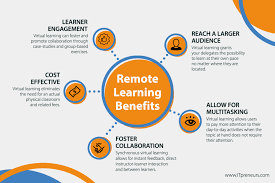
    Benefits of Remote Learning

    1. Flexibility and Convenience

    One of the most significant advantages of remote learning is flexibility. Students can access lectures, course materials, and assignments at any time, allowing them to balance studies with personal and professional commitments.

    • Students can learn at their own pace.
    • Those in different time zones can participate without disruption.
    • Opportunities for part-time learning and working simultaneously increase.

    2. Access to Global Education

    Remote learning removes geographical barriers. Students from anywhere in the world can attend courses from top universities, specialized training centers, or industry experts. This global access expands opportunities for learning and collaboration.

    3. Personalized Learning Experience

    Many remote learning platforms use Artificial Intelligence (AI) to adapt lessons to individual learning styles and progress. Students can focus on areas they find challenging, skip topics they already understand, and receive immediate feedback to improve performance.

    4. Cost-Effectiveness

    Remote learning often reduces costs associated with commuting, accommodation, and physical classroom infrastructure. Additionally, many online resources and courses are available for free or at a lower cost than traditional education.

    5. Technology Integration and Digital Literacy

    By participating in remote learning, students naturally develop digital literacy skills. They learn to navigate learning management systems, use collaboration tools, and engage in virtual communication—skills essential in the modern workplace.


    Challenges of Remote Learning

    While remote learning has many benefits, it also comes with several challenges that need to be addressed.

    1. Limited Social Interaction

    One of the primary drawbacks is the lack of face-to-face interaction with peers and teachers. Social engagement is crucial for collaborative learning, team projects, and the development of communication skills.

    2. Self-Discipline and Motivation

    Remote learning requires students to be self-motivated and disciplined. Without the structure of a physical classroom, some students struggle to stay focused, meet deadlines, and actively participate in lessons.

    3. Technical Issues and Accessibility

    Not all students have access to high-speed internet, reliable devices, or technical support. Technical barriers can limit participation and create inequalities in learning opportunities.

    4. Quality of Education

    Not all online courses provide the same quality as in-person classes. Poorly designed courses, lack of interactivity, and minimal instructor support can negatively affect learning outcomes.

    5. Screen Fatigue and Mental Health

    Extended screen time, digital distractions, and isolation can lead to fatigue, stress, and reduced engagement. Students must balance online learning with physical activity and offline study habits.


    Strategies to Overcome Challenges

    To maximize the benefits of remote learning, educators and students can adopt the following strategies:

    1. Structured Schedule

    Creating a daily routine with fixed study hours and regular breaks helps maintain focus and discipline.

    2. Active Engagement

    Participating in discussions, forums, and group projects increases social interaction and keeps students involved.

    3. Technical Preparedness

    Ensuring access to reliable devices, stable internet, and technical support reduces disruptions. Institutions can also provide training for using learning platforms effectively.

    4. Balanced Screen Time

    Incorporating offline study, exercise, and relaxation activities reduces screen fatigue and supports mental health.

    5. High-Quality Course Design

    Interactive content, clear instructions, quizzes, and feedback enhance engagement and knowledge retention. Gamification can also make lessons more enjoyable and motivating.


    Future Trends of Remote Learning in 2026

    Remote learning continues to evolve with technology. The following trends are shaping the future of education:

    1. Artificial Intelligence and Adaptive Learning

    AI-driven platforms analyze student performance and customize lessons based on individual needs. Personalized learning paths help students progress faster and retain information better.

    2. Virtual Reality (VR) and Augmented Reality (AR)

    VR and AR create immersive learning experiences, allowing students to explore virtual labs, historical sites, or scientific simulations. This makes remote learning more interactive and engaging.

    3. Gamification

    Gamified elements such as points, leaderboards, and badges motivate students to participate actively and achieve learning goals. Gamification enhances engagement and retention in remote learning environments.

    4. Microlearning

    Microlearning delivers lessons in short, focused segments, making it easier for students to absorb information quickly. This is especially useful for busy learners and those balancing multiple commitments.

    5. Collaborative Online Learning

    Future platforms will focus on global collaboration, enabling students from different countries to work together on projects, share perspectives, and develop cross-cultural communication skills.

    6. Lifelong Learning

    Remote learning supports continuous education beyond formal schooling. Professionals and adults can upskill and reskill efficiently, keeping pace with industry changes and technological advancements.


    Advantages of Combining Remote and Traditional Learning

    Hybrid or blended learning models combine the best of remote and in-person education:

    • Students benefit from face-to-face interaction while enjoying the flexibility of online lessons.
    • Teachers can use digital tools to enhance classroom engagement.
    • Institutions can reach a broader audience while maintaining high-quality education.

    Blended learning ensures that students develop both digital and interpersonal skills, preparing them for future challenges.


    Conclusion

    Remote learning has transformed education in 2026, offering flexibility, accessibility, and personalized learning experiences. While challenges such as isolation, technical barriers, and self-discipline exist, these can be mitigated through structured schedules, interactive content, and thoughtful use of technology.

    The future of remote learning is bright, driven by AI, VR, AR, gamification, and microlearning. As education becomes more digital, students will benefit from immersive, engaging, and personalized experiences that prepare them for academic success and professional growth.

    Ultimately, remote learning is more than a temporary solution—it is a permanent evolution in how knowledge is delivered, absorbed, and applied in the modern world. By embracing its benefits and addressing its challenges, students, educators, and institutions can create a future where learning is accessible, effective, and empowering for everyone.

  • How Gamification Is Changing Education in 2026

    How Gamification Is Changing Education in 2026

    Introduction

    Education in 2026 is rapidly evolving. Traditional classrooms with lectures and textbooks are no longer the sole way students learn. With the integration of digital technologies, interactive platforms, and online learning tools, education has become more engaging and personalized. One of the most powerful trends transforming learning is gamification.

    Gamification is the application of game design elements—like points, rewards, levels, and challenges—to non-game contexts, including education. By turning learning into an interactive and rewarding experience, gamification motivates students, improves retention, and encourages active participation.

    In this article, we explore how gamification is changing education in 2026, its benefits, challenges, and why it is set to become a core feature of modern learning.


    What is Gamification in Education?

    Gamification in education involves integrating game mechanics into the learning process to make it more engaging. Examples of gamified elements include:

    • Points and Badges: Rewarding students for completing tasks or achieving milestones.
    • Leaderboards: Encouraging friendly competition among peers.
    • Levels and Progression: Allowing students to advance through stages as they master concepts.
    • Quests and Challenges: Framing lessons as missions or problem-solving tasks.
    • Immediate Feedback: Providing real-time responses to student actions.

    Unlike playing games purely for entertainment, educational gamification focuses on learning outcomes while leveraging the motivational aspects of gaming.


    Why Gamification is Important in 2026

    1. Engaging Digital Natives

    Students in 2026 have grown up with smartphones, apps, and video games. Traditional lecture-based teaching often fails to capture their attention. Gamification uses familiar interactive elements to make learning more exciting and relatable.

    2. Enhancing Motivation

    Many students struggle with motivation, especially in subjects they find difficult or uninteresting. Gamification introduces rewards, achievements, and progress tracking, giving learners a sense of accomplishment and encouraging continued effort.

    3. Supporting Personalized Learning

    Gamified platforms can adapt to individual learning styles and progress. AI-powered systems analyze student performance and provide challenges appropriate to their skill levels, ensuring personalized growth.

    4. Encouraging Active Learning

    Instead of passively receiving information, students actively engage with content. Gamified lessons often involve problem-solving, quizzes, and interactive simulations, which enhance comprehension and retention.


    Benefits of Gamification in Education

    1. Improved Knowledge Retention

    Studies show that students remember concepts better when learning is interactive and engaging. Gamification reinforces learning through repetition, challenges, and rewards, strengthening memory.

    2. Fostering Critical Thinking and Problem-Solving

    Many gamified activities require students to think strategically, solve complex problems, and make decisions. This develops critical thinking skills that are essential for success in academics and real-world scenarios.

    3. Promoting Collaboration and Social Learning

    Gamified platforms often encourage teamwork and peer interaction. Students collaborate on challenges, share achievements, and learn from one another, fostering communication and social skills.

    4. Instant Feedback for Continuous Improvement

    Gamification provides immediate feedback, allowing students to identify mistakes and correct them quickly. This iterative process promotes self-directed learning and continuous improvement.

    5. Making Learning Fun and Less Stressful

    By framing lessons as games, students experience learning as a positive, enjoyable activity rather than a stressful task. Reduced anxiety improves engagement and overall performance.


    Examples of Gamification in Modern Education

    1. Language Learning Apps

    Platforms like Duolingo use gamified techniques such as streaks, levels, and rewards to make language learning engaging and consistent.

    2. STEM Education

    Apps and virtual labs gamify math, coding, and science experiments, allowing students to solve challenges and visualize complex concepts interactively.

    3. Classroom Learning Platforms

    Tools like Kahoot! and Quizizz transform quizzes into competitive games with points and leaderboards, making review sessions fun and motivating.

    4. Virtual Reality (VR) Learning

    VR classrooms gamify history, geography, and science by letting students explore virtual worlds, complete missions, and solve puzzles in immersive environments.

    5. Corporate and Skill-Based Learning

    Gamification is not limited to schools. Online courses and corporate training use badges, certifications, and leaderboards to encourage skill development and professional growth.


    Gamification and Personalized Learning

    In 2026, gamification is closely linked to personalized education. AI and machine learning track student progress and adapt challenges accordingly.

    For example:

    • A student struggling with algebra may receive targeted missions and extra practice questions.
    • Another excelling in science may unlock advanced experiments and higher-level simulations.

    This adaptive gamification ensures each learner gets the support and challenge they need to succeed.


    Challenges of Gamification in Education

    Despite its advantages, gamification also faces challenges:

    1. Overemphasis on Rewards

    If students focus too much on points and badges, they may prioritize rewards over actual learning. Educators must balance motivation with meaningful educational content.

    2. Accessibility and Cost

    High-quality gamified platforms and VR experiences can be expensive, limiting access for some schools and students.

    3. Risk of Competition Stress

    Leaderboards and rankings can create unnecessary pressure for some students, potentially discouraging them rather than motivating.

    4. Teacher Training Required

    Educators need training to design and implement gamified lessons effectively. Without proper guidance, gamification may fail to achieve its educational goals.


    Future of Gamification in Education

    The future of gamification in 2026 and beyond is bright, with several emerging trends:

    1. Integration with Virtual and Augmented Reality

    VR and AR will make gamified learning more immersive, allowing students to explore interactive simulations and real-world scenarios in virtual environments.

    2. AI-Driven Adaptive Learning

    Artificial intelligence will create highly personalized gamification experiences, analyzing performance and adjusting challenges in real-time.

    3. Gamification for Lifelong Learning

    Gamification is not limited to K-12 or higher education. Adults and professionals will increasingly use gamified platforms for continuous skill development and career growth.

    4. Global Collaborative Learning

    Gamified education platforms will connect learners worldwide, enabling collaborative missions, competitions, and cultural exchange.


    Conclusion

    Gamification is redefining education in 2026. By combining game mechanics with learning objectives, it transforms passive education into active, engaging, and personalized experiences.

    The benefits of gamification are numerous: improved retention, enhanced critical thinking, personalized learning, collaboration, and increased motivation. While challenges such as overemphasis on rewards and accessibility exist, these can be mitigated with thoughtful design and educator training.

    In the future, gamification will continue to expand through AI, VR, and global collaborative platforms, making learning interactive, enjoyable, and effective. For students in 2026, gamification is not just a trend—it is a powerful tool that shapes the way knowledge is acquired, understood, and applied.

    By embracing gamified education, learners gain not only knowledge but also skills like problem-solving, adaptability, and critical thinking, preparing them for a rapidly evolving world.